
How a brand creates moments people talk about and share
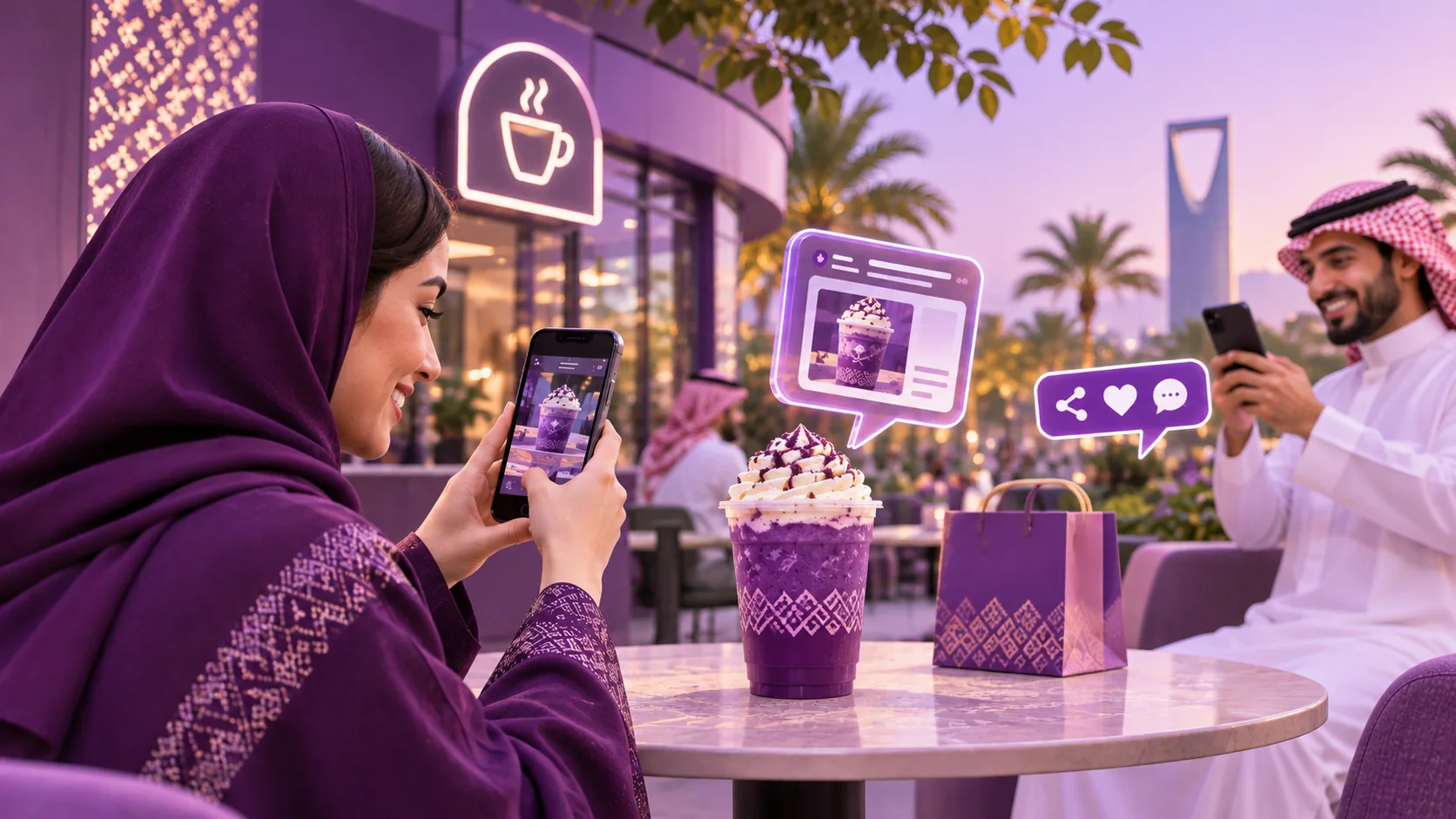
As brands compete harder for attention on social media, a company's ability to be noticed has come to depend on offering experiences that make people want to talk about them and share them. Engagement with a brand comes from several things together: the quality of the products, the way the service is delivered, the ideas the company puts forward, and how closely they connect to what the audience cares about.
Companies set aside large budgets for campaigns aimed at more comments, shares and views, while other brands spread widely by creating experiences customers talk about without being asked. That shows how much experiential marketing matters in building relationships with consumers and raising the chance of a recommendation.
From asking for engagement to building an experience worth sharing
Many brands rely on direct calls to engage, such as "tell us what you think", "leave a comment" and "tag a friend". These lines lift engagement rates during a campaign, but lasting interest depends on the quality of the experience the brand offers.
Experiential marketing means designing situations and services that give the customer a reason to share. That can be an inventive product design, packaging that carries an idea, an easy purchase journey, or details in the service that make dealing with the brand different from the other options in the market.
This matters in the Saudi market, particularly in restaurants, cafes, fashion and entertainment. Consumers in these sectors respond to a combination of things: product quality, atmosphere, presentation, ease of getting the service, price, and how distinct the offer is from competitors.
When a customer gets an experience that matches their needs and expectations, they are more likely to talk about it. That may show up as a social media post, a personal recommendation, or a video documenting what dealing with the brand was like.
Creating shareable moments through content and surprise
Experiences that spread widely often start from a simple idea with an element of surprise or invention. Creating shareable moments means setting up situations that are easy for people to film, talk about or repost, because they are funny, visually striking, or tied to something familiar from daily life.
Shareable content plays a large part in how brands spread, especially with the rise of short video on TikTok, Snapchat and Instagram. It works better when the way it is presented fits each platform and what its users prefer.
A Saudi cafe, for example, can launch a seasonal drink with a design drawn from local culture and present it in a way that invites visitors to photograph and share it. A fashion brand can release a limited collection tied to a story or a social occasion, so the pieces become a subject of conversation among people who follow fashion.
The link to local culture carries particular weight with Saudi consumers. National occasions, social seasons and cultural symbols offer openings for marketing ideas that sit close to what people care about. These ideas succeed when local elements are used naturally and the subject fits the occasion and the audience.
Timing and fit also raise the chance that content will spread. A campaign tied to an occasion people care about, or a product connected to a season, gives the customer one more reason to engage and share.
Authenticity and community: turning customers into advocates
Trust is the basis of a long relationship between a brand and its customers. Consumers pay more attention than before to whether marketing messages are credible and match the real experience, which gives authenticity great weight in word-of-mouth marketing.
The relationship starts with keeping marketing promises, delivering quality that matches expectations, and attending to the details across the purchase journey. When the product or service matches what was advertised, a recommendation becomes more likely.
User-generated content (UGC) lets companies draw on customers' experiences to reach new groups. Companies can encourage customers to share their opinions, photos and videos, then repost suitable content with their permission.
This kind of content shows the brand from the consumer's point of view and lets the audience see real experiences. It also helps companies vary their marketing material and use customers' views to introduce their offers.
Another effective approach is building a community around the brand whose members feel they belong to a shared experience. That can be done through exclusive products, meetups and events, and involving customers in developing new ideas or services.
Companies can widen that community by working with niche and micro influencers whose audiences care about specific fields. This reaches new groups of consumers, especially when the influencer is given room to present the experience in their own way.
Measuring conversation about the brand and improving the experience
An experiential marketing strategy needs campaign results to be tracked and audience behaviour analysed, so companies can judge their ideas and see how far they contribute to commercial goals. Measurement covers a set of indicators that show how far the brand has spread and how much consumers engage with it.
Indicators worth tracking
- Brand mentions: the volume of references to the brand across social platforms and websites.
- Organic shares: how often people talk about the brand on their own initiative.
- Content share rate: shares of posts and videos relative to reach.
- User-generated content: the volume of content customers produce about the products and services.
- Customer sentiment: analysis of comments, ratings and conversations linked to the purchase experience.
- Commercial indicators: visits, sales, repeat purchase and retention.
Data analysis and AI tools help companies follow audience behaviour, find the subjects people care about, and identify the kinds of experience most likely to prompt sharing. They also make it possible to understand differences between consumer segments and develop ideas suited to each.
It is important to connect spread with commercial performance when evaluating campaigns. An idea can earn wide views without raising sales, while an experience with limited reach can bring new customers and prompt repeat purchase. Companies need to study results from several angles, keep testing ideas, and use audience feedback to improve the experience.
Experience in government entities and large companies
Experience is not only for retail brands. An entity that wants to change a behaviour or introduce people to a service gains when it lets them try instead of read. The condition is to agree before execution on what will be measured: how many people went through the experience, what they posted about it, and what changed afterwards.
From our work. In the "She Can" initiative with Petromin, the brand went into driving schools with 10 field activations, so it met its audience in the place where the subject mattered to them.
More on our services: Awareness and media campaigns and Marketing plan.
How do you build a brand people talk about?
Building a brand people talk about is one of the important routes in modern marketing, especially as competition for attention in the Saudi market grows. Success depends on offering experiences that match customers' needs, producing content that reflects the brand's identity, and understanding what drives consumer behaviour.
Distinct experiences give people reasons to share their views and recommend products and services. With the spread of user-generated content, one customer's experience can now reach wide groups of consumers and introduce the brand to a new audience.
In the coming period, experiential and word-of-mouth marketing will carry more weight in brand-building strategies as consumer behaviour and preferences change. Companies that care about the quality of their products and services, keep their marketing promises and build ongoing relationships with customers will earn more organic recommendations, higher loyalty and wider presence in the market.
More articles
- 18 March 2026
Content localization: building a tone that speaks to the Saudi audience
- 8 June 2026
Between the lines: implicit messages for effective communication with the Saudi audience
- 6 October 2026
Influencer marketing trends in Saudi Arabia